The Evotec Opera is designed for confocal fluorescence with multiple channels (405, 480, 532 and 635 nm) or non-confocal fluorescence (360 nm UV lamp). Equipped with 20x, 40x or 60x lenses.
Examples of assays done with the Opera include detection of changes in cell shape, cell size, or sub-cellular localization of a specific protein.
The Opera has the following filters for fluorescence microscopy (emission or excitation):
- 405 nm for DAPI (confocal)
- 480 nm for FITC (confocal)
- 532 nm for Cy3 (confocal)
- 635 nm for Cy5 (confocal)
- 360 nm UV lamp (non-confocal)
The Opera has the following lenses:
- 20x air lens
- 20x water immersion lens
- 40x water immersion lens
- 60x water immersion lens
Software. Images captured on the Evotec Opera can be analyzed using Evotec Acapella image analysis software. Alternatively, images exported in other formats for analysis using other image analysis software tools.
Data Storage. Bring an external hard-drive (200 GB or more) for data storage.
Why would I choose the Opera?
Researchers choose the Opera for:
- Live cell assays with GFP or similar fluorescent marker(s)
- Fixed cell assays stained with antibodies or fluorescent
dyes
- Assays requiring confocal analysis
- Assays requiring multiple images or multiple Z-sections per
well.
Why would I not choose the Opera?
If you have antibodies against a protein of interest and you are more interested in relative protein levels than in sub-cellular localization of the protein, the LiCor Aerius would be the better choice. The methods can also be combined (i.e. analysis with the LiCor followed by imaging with the Opera).
If you are interested in gross morphological changes (e.g. overall cell size or shape) and scheduling, speed or flexible file formats is a priority, a non-confocal option might be the better choice.
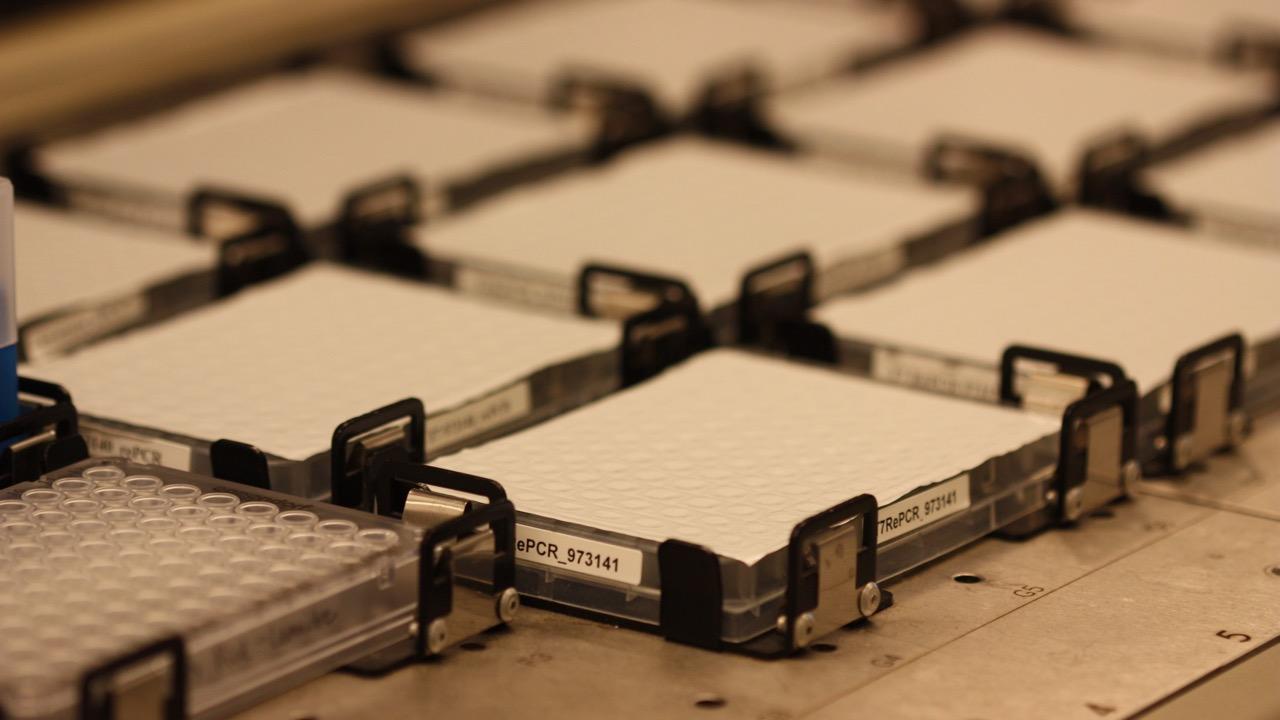
Plate Type
Perkin Elmer CellCarrier 384-well black, clear bottom plates (Perkin Elmer 6007439)
Note: Plate types are listed for your reference (we recommend using the same choose the same or a similar plate type for optimization experiments). We supply plates for screening (dsRNAs are supplied in the assay plate type you require).
|
Expert Tip: The acquisition of multiple images per well on one or more channels presents a huge opportunity for analysis of cellular and sub-cellular phenotypes. However, this also comes along with significant challenges. Visual inspection of each image is a robust way to analyze data (it can be argued that our eyes and brains currently do a better job than even the most sophisticated image analysis tools). On the other hand, visual inspection is time-consuming and subject to human error. Developing an automated analysis or using a combination of automated and visual checks should be carefully considered.
|
Useful Link: Spectral Viewer (plot and compare spectra for fluorescence detection)